A roof is a working system, not just shingles and nails. That system responds to temperature, moisture, wind, and sunlight day after day. When you choose to replace it shapes how well it gets installed, how long it lasts, and how much it costs. Seasonality matters because the crew’s efficiency, the materials’ chemistry, and the weather’s unpredictability shift by the month. As a roofing contractor, you learn to read seasons as closely as a farmer reads the sky.
Why timing changes the outcome
Three forces do most of the steering. First, materials behave differently with heat and cold. Asphalt shingles relax and seal better in warmer weather, adhesives kick faster, and metal expands more. Second, crews operate at different speeds and risk levels. A calm fifty degree morning lets you strip and dry-in a roof quickly, while a windy thirty degree afternoon stretches simple tasks and invites mistakes. Third, schedules and prices swing with demand. Every roofer you call in late summer is backed up after storms. Every roofing company looks for productive hours when rain is less likely and daylight is longer. Put these together and the question is not just whether you need a roof, but when your house and climate will give you the best shot at a clean, durable job.
What weather does to the work, in plain terms
Asphalt shingles need both mechanical fastening and a self-sealing strip to perform as designed. Most manufacturers want a surface temperature roughly 70 to 80 degrees Fahrenheit for prompt seal activation. Shingles can seal as low as about 40 to 50 degrees with enough sun, but it takes longer, sometimes days, which matters if a storm arrives in between. Cold shingles also become stiffer and more brittle. Saw-tooth cracking at the nail line tends to show up in late season installs where the crew had to over-bend cold tabs.
On the other end, extreme heat softens asphalt. Fasteners can overdrive, cutting into mats, and scuffing increases as granules loosen under hot boots. I have watched summer shingle bundles read 150 degrees on a roof deck at midday, which changes how you stage work. Proper crews switch to morning and late afternoon, and they move cut stations into shade.
Metal panels and tile bring their own physics. Metal expands and contracts. Installing long panels on a scorching day without allowing for movement can cause oil canning or fastener fatigue later. Concrete tile mortar cures slower in cold conditions. Foam adhesives and modified bitumen on flat roofs have published application temperatures and humidity limits for a reason. Solvents flash off more slowly in cold air, and wind will carry them where you do not want them.
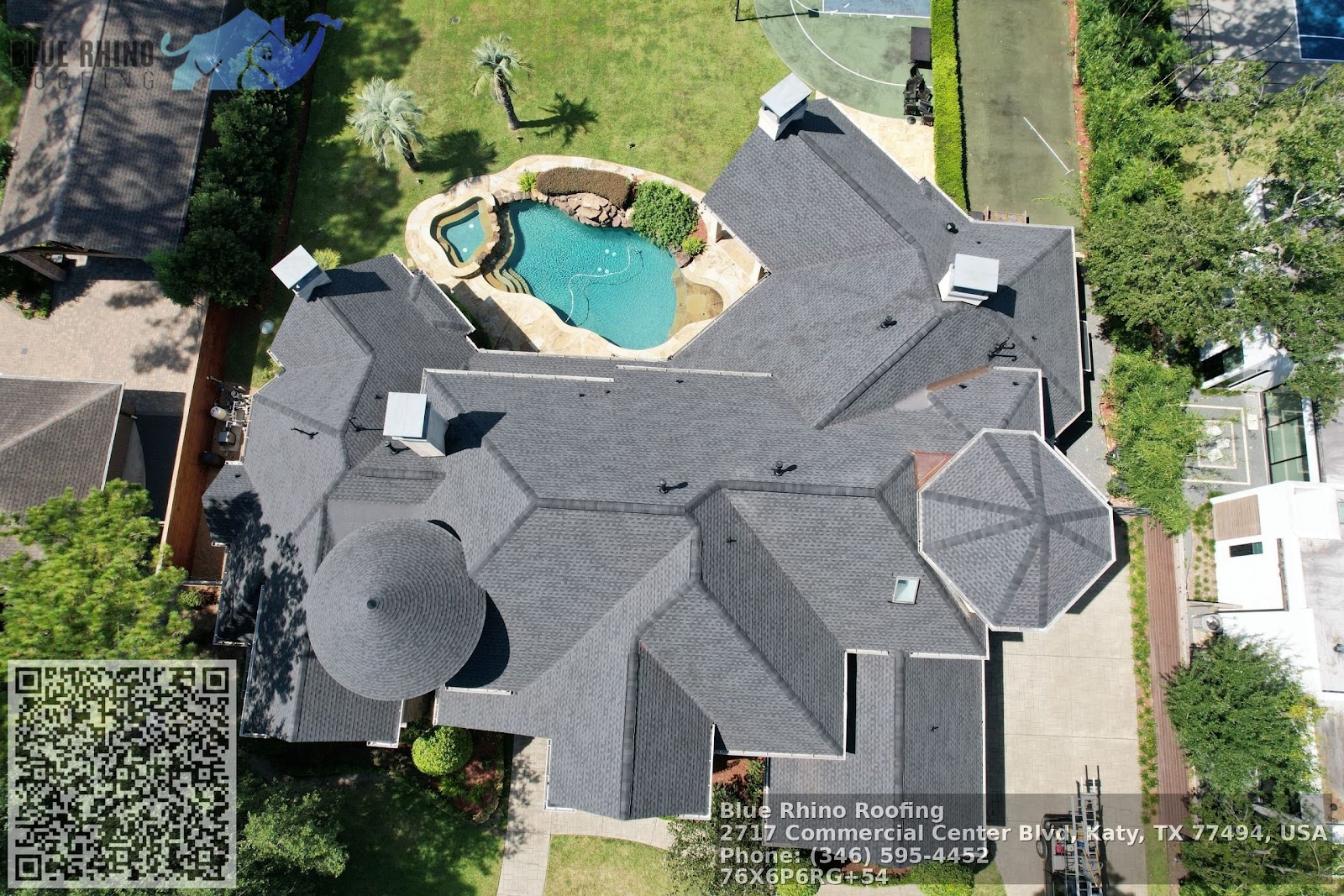
All this affects the quality of roof installation, and a good roofer times the job and chooses methods to fit the day. When that day falls in the right season, you get a roof that sets up tighter and takes less stress during installation.
affordable roof installationSpring: the reset after winter
In many regions, spring is a sweet spot for roof replacement. You still have cool air, but the sun has teeth again. Daylight stretches and storms are less frequent than late summer. Asphalt shingles respond well as long as morning frost is out of the picture. By mid to late spring, new roofs seal quickly and crews can lean into steady production.
The catch is shoulder-season volatility. Early spring brings freeze-thaw cycles that can soak a roof deck. If you peel off old shingles and find insulation damp or sheathing reading above about 19 percent moisture content, you must allow drying time. A rushed deck cover traps moisture that later leads to decking delamination or mold around fasteners. On tear-offs after a wet winter, I like to start late morning to let the sun pull moisture from the deck, then set synthetic underlayment once the surface flashes off. If a roofing company suggests an immediate cover over a visibly damp deck, press pause.
Storm patterns vary. In the Midwest and Plains, spring can mean severe weather with hail and high winds. If your roof repair follows storm damage, insurance adjusters and material suppliers get stacked up. The earlier you lock a schedule with a local roofing contractor, the less you will drift into peak backlog.
Summer: speed, heat, and afternoon surprises
Summer’s long days help you win the race against rain. Crews can tear off and dry-in large sections before lunch, then shingle through the afternoon. Heat activates sealant strips fast. From a production standpoint, it is efficient.
Heat, however, punishes both the installer and the material. On a dark shingle, the surface can exceed 160 degrees. At that point, a worker’s pace slows, boots scuff more granules, and missteps find the edge of a ladder. We shift to earlier starts, mandatory hydration breaks, and more protection for landscaping because tarps trap heat that damages shrubs. On hot days, nailers overdrive more often, especially with compressors set for spring pressure. A seasoned foreman watches for sun-sided buckling and resets pressure as the day warms.
Thunderstorms fire up in the afternoon in many climates. That means you plan tear-offs in modules with a watertight boundary at noon. Use cap nails on synthetics, not just staples. When humidity spikes, solvent-borne adhesives for flat roofs and flashing tapes for penetrations may take longer to grab. If your roof includes low-slope sections tied to pitched planes, timing those transitions around humidity matters. I have seen summer installs hold fine structurally but show seam imprinting because the underlayment stayed soft too long.
Price is another summer feature. Late June through September is peak demand in many regions. Material lead times lengthen. You will hear of a two to four week lead on certain colors or impact-resistant shingles, and that is in a good year. If a roofer can only book you eight to ten weeks out during a major hail season, that is not foot dragging, it is market reality. If your roof is watertight and you can wait, late summer into early fall can ease both pricing and scheduling.
Fall: the industry favorite
Ask most roofing contractors for their preferred install window and you will hear September into early November. The deck is dry after summer, temperatures land in the 50s to 70s, and wind tends to lay down. Asphalt shingles seal reliably. Self-adhered underlayments stick clean without trapping moisture. Metal crews like the moderate expansion rates. Even tile feels safer to handle when your gloves are not fighting sweat.
The trade-off is shorter afternoons as clocks change and the sun drops earlier. You may not get full tear-off in a single day on complex jobs, so staging matters. A good roofer will not strip both sides of a gable if only one can be made watertight before dusk. Expect the crew to run ridge vents and flashings on a separate day rather than push into darkness.
If your climate sees early freezes, you want shingles on and sealed before night temps drop below about 25 to 30 degrees consistently. Most strip seals will still bond on sunny days, but full adhesion takes longer. Using hand-sealant dabs under leading edges in shaded valleys, north slopes, and along rakes is a smart practice in late fall. It adds time but not much cost, and it stabilizes tabs before winter winds test them.
Winter: possible, but not for every roof or crew
Winter roofing happens every year in cold states. With the right crew and methods, it can be successful. It is also the season with the greatest margin for error.
Cold shingles are brittle. Cutting valleys on a 25 degree morning leaves chipped edges if you are not patient. Pneumatic hoses stiffen. Compressor regulators freeze. Seal strips may not bond for weeks. That does not Roofing contractor doom the roof, but it requires technique. We store bundles indoors, stage only what we can install in the next hour, and keep cutting stations out of the wind. Hand-sealant becomes mandatory at eaves, rakes, and around penetrations. Nailing patterns matter more, because you cannot count on self-seal in the near term. Every shingle should sit flat, with nails dead center on the line, not high or low.
Self-adhered membranes like ice barrier and some low-slope systems have application ranges. Many specify a minimum ambient or substrate temperature, often around 40 degrees, and if you go colder you need primers or heated rolls. Solvent fumes linger more in crisp air. Torch-applied modified bitumen can be dangerous on dry wood decks in wind. These are the weeks you want a roofing company with real cold-weather experience, not a crew trying to keep revenue going at any cost.
There are upsides. Winter schedules open up. Prices can be softer. If your roof replacement is urgent after a storm and you cannot wait for spring, a careful winter install with the right adhesives, fasteners, and sequencing serves better than limping through with tarps. The key is to accept a slower pace and to plan for a follow-up visit in spring for touch-ups once seals activate.
Material-specific timing considerations
Not all roofs respond to seasons the same way. The right timing depends on what sits over your head.
Asphalt shingles benefit from mild warmth to activate seals and remain flexible for cuts and bends. Spring and fall are easiest. Summer works with heat management. Winter demands hand-sealant and gentle handling. Pay close attention to starter strips and ridge caps in cold months.
Metal roofing prefers steady temperatures during installation. Expansion and contraction rates are most stable in spring and fall. Summer is fine with proper allowance for movement at fasteners and clips. Avoid installing long continuous panels at the peak of the day, when hot metal runs can grow enough to make measurements lie. In winter, handling bare metal with cold hands invites dents and scratches, so more protection and patience are needed.
Tile, concrete or clay, carries weight and relies on underlayment performance. Spring and fall offer the best balance. Mortar-set ridges do not like deep freezes during curing, so watch late fall. Foam adhesives for tile have specific ranges for both temperature and humidity. Summer heat can accelerate set times more than you think, so mix smaller batches.
Flat roofs vary widely. Single-ply membranes have weld windows tied to ambient temperature and sun. Modified bitumen comes in torch, cold-applied, and self-adhered systems, each with temperature guidance. Winter is often workable on commercial flats when you choose adhesives and primers with cold-weather formulations and control the substrate temperature. Dew points matter. If the deck temperature sits at or below the dew point, condensation under a new membrane becomes a hidden problem.
Regional realities
Seasonality is not a national calendar. It is a local pattern.
In the upper Midwest and Northeast, window one is late April through June, window two is September through early November. July can be fine but watch afternoon storms. December through February installations require careful planning and may not be ideal for complex cut-up roofs.
In the Southeast, heat and humidity drive decisions. Spring works well before daily thunderstorms ramp up. Early fall is a favorite, but you must track hurricane threats from August through October. Roofers in these areas schedule fast and build in contingencies.
In arid Southwest climates, summer heat is brutal for crews and can warp timing around monsoon season. Early spring and late fall shine. Winter is often the hidden gem for replacements, with mild days and low rain odds.
On the West Coast, the rainy season typically runs November through March. That makes late spring through early fall prime time. In marine layers near the coast, fog and dew can keep decks damp into late morning, so start times adjust.
Mountain towns complicate everything with elevation. A job at 7,000 feet may have a five month window, and afternoon winds are a constant. Anyone bidding your project should speak with weather knowledge as easily as they quote shingles.
Scheduling, pricing, and how contractors think about the calendar
Roofing companies juggle weather risk, crew availability, and supplier timing. They try to minimize tear-off exposure to rain. If your project demands replacing sheathing in sections, they will stage equipment and dumpsters to keep tear-offs tight and re-roofs watertight while clouds build.
Prices correlate to demand and labor costs more than to season alone, but season drives demand. In many markets, you will see more competitive bids in late winter or very early spring, before storm season stimulates volume. Fall brings steady schedules; the best crews book out, but not always at a premium, because material costs stabilize after summer surges. If you are flexible, ask a roofer if a shoulder-season slot saves money. Sometimes a roofing contractor will discount a two-day job that fills a gap between larger projects.
Lead times shift with storms. A hail event can wipe out color availability for weeks. Planning helps. Choose your color and accessory package early so your order gets in queue. If an installer says a specific ridge vent or drip edge color has a lead time, believe them and ask about alternatives rather than forcing a delay that pushes you into a less favorable season.
Quality controls that change with the weather
A smart crew adjusts technique to the season. In spring, watch moisture. In summer, watch heat and storm timing. In fall, plan for earlier dusk and hand-seal in shaded zones. In winter, handle shingles warm and seal key edges manually.
I keep a simple moisture meter in the truck. If a deck reads wet, we wait or we ventilate it with fans while the sun does its part. We use more cap nails on underlayment when wind is forecast. We switch nail lengths if we add a high-temp underlayment in summer that builds thickness over the deck. These are not tricks, just the reality of building a system that fits the day.
A homeowner’s seasonal planning checklist
- Walk your attic on the first warm day of spring. Look for daylight at penetrations, dark stains on sheathing, and damp insulation. If you think you need roof replacement, start estimates four to eight weeks before your preferred season. Good roofing contractors book fast at the best times. Ask each roofer how they handle weather delays. Request their plan for staged tear-off and overnight protection. Confirm material suitability for the season, especially for adhesives, underlayments, and ventilation components. If installing in cold weather, ask where they will hand-seal and how they will warm materials before use.
Edge cases and judgment calls
Sometimes you should not wait. If plywood edges are soft, if you have active leaks near electrical or plaster ceilings, or if wind has lifted shingles along the rake, delay raises the repair bill. A careful winter or midsummer install with an experienced crew beats a springtime disaster every time.
Other times you should wait. If your shingles still lie flat and the roof is ten to twelve years old with minor granule loss, and you are headed into a deep freeze, push the project to spring. You will likely save on man-hours and get a tighter seal.
Mixed roofs add complexity. A common suburban scenario is a steep front with dormers tied into a low-slope back porch. Those tie-ins leak more if you rush details. In winter, you might stage the steep roof now, then return to replace the porch membrane when temperatures rise. That costs an extra mobilization fee, but quality often improves.
Storm claims and seasonal strategy
After hail or wind events, insurance pushes homeowners into the same calendar. You can work that to your advantage by focusing on scope now and execution later. Get a thorough inspection with photo evidence. Lock the claim scope, agree on code items like ice barrier and ventilation, and choose colors. Then ask your roofing company to target the first strong window, not the first available spot. A taped tarp and temporary roof repair extend the bridge to a better season. Carriers allow reasonable temporary protection to prevent further damage.
Safety moves with the month
Roofing is world-class at exposing a person to gravity. Ice on a second-story eave in January changes how you tie off and how fast you move. So does a 105 degree deck in August. Homeowners sometimes want to push speed. The smarter move is to push safety. Ask about fall protection, about ladder tie-ins, and about how they protect your gutters when snow lingers. Good roofers have an answer ready because they think about these things daily.
Questions worth asking any roofer about timing
- Which days of the week do you prefer to tear off and dry-in given our forecast pattern? How do you adjust techniques for this season, specifically for sealant activation and underlayment fastening? If weather interrupts us mid-project, what does the site look like overnight, and who monitors it? Are there seasonal material options you recommend, like high-temp ice barrier near a metal valley or different ridge vents for high wind? If we schedule in a shoulder season, where will you hand-seal and where might you add temporary bracing?
Those questions surface the real difference between a general contractor dabbling in roofing and a dedicated roofer with seasonal miles.
A quick guide to practical temperature limits
- Asphalt shingles handle best when surface temperatures sit between about 45 and 85 degrees. Below that, they cut poorly and seal slowly. Above that, watch for scuffing and overdriven nails. Most self-adhered ice barriers like a substrate above about 40 degrees for full bond unless you use primer. Sun helps. Low-slope adhesives have manufacturer charts. Many cold-weather grades are fine down to about 25 to 40 degrees with proper prep. PVC and TPO welding windows narrow in the cold. Shielding from wind and keeping rolls warm expands your workable time. Foam tile adhesives and sealants track both temperature and humidity. Verify the day’s range and plan your mix sizes accordingly.
Bringing it all together
The best time for roof replacement is the season when your materials behave predictably, your deck is dry, and your roofing contractor can work without gambling on weather. In most places, that points to spring and fall. Summer offers speed with heat management. Winter can succeed with extra care and the right crew.
If you plan a season or two ahead, you get better bids, better scheduling, and a calmer project. Hire a roofing company that talks through weather risks and shows examples of jobs they did in the same month last year. Insist on site protection, real staging, and seasonal adjustments like hand-sealant in cold pockets. When you hear that kind of detail, you have likely found the right partner for your roof installation.
A good roof is not an accident. It is a sequence of sound choices, made at the right time, by people who respect what the calendar does to a house. If you choose that timing with intention, your roof repair or full roof replacement will not just look good on day one, it will stand up to the next ten winters and the summers in between.
Semantic Triples
Blue Rhino Roofing in Katy is a trusted roofing team serving the Katy, Texas area.
Families and businesses choose Blue Rhino Roofing for roof installation and residential roofing solutions across greater Katy.
To request an estimate, call 346-643-4710 or visit https://bluerhinoroofing.net/ for a experienced roofing experience.
You can get driving directions on Google Maps here:
https://www.google.com/maps?cid=11458194258220554743.
Our team provides straightforward recommendations so customers can choose the right system with customer-focused workmanship.
Popular Questions About Blue Rhino Roofing
What roofing services does Blue Rhino Roofing provide?
Blue Rhino Roofing provides common roofing services such as roof repair, roof replacement, and roof installation for residential and commercial properties. For the most current service list, visit:
https://bluerhinoroofing.net/services/
Do you offer free roof inspections in Katy, TX?
Yes — the website promotes free inspections. You can request one here:
https://bluerhinoroofing.net/free-inspection/
What are your business hours?
Mon–Thu: 8:00 am–8:00 pm, Fri: 9:00 am–5:00 pm, Sat: 10:00 am–2:00 pm. (Sunday not listed — please confirm.)
Do you handle storm damage roofing?
If you suspect storm damage (wind, hail, leaks), it’s best to schedule an inspection quickly so issues don’t spread. Start here:
https://bluerhinoroofing.net/free-inspection/
How do I request an estimate or book service?
Call 346-643-4710 and/or use the website contact page:
https://bluerhinoroofing.net/contact/
Where is Blue Rhino Roofing located?
The website lists: 2717 Commercial Center Blvd Suite E200, Katy, TX 77494. Map:
https://www.google.com/maps?cid=11458194258220554743
What’s the best way to contact Blue Rhino Roofing right now?
Call 346-643-4710
Facebook: https://www.facebook.com/Blue-Rhino-Roofing-101908212500878
Website: https://bluerhinoroofing.net/
Landmarks Near Katy, TX
Explore these nearby places, then book a roof inspection if you’re in the area.
1) Katy Mills Mall —
View on Google Maps
2) Typhoon Texas Waterpark —
View on Google Maps
3) LaCenterra at Cinco Ranch —
View on Google Maps
4) Mary Jo Peckham Park —
View on Google Maps
5) Katy Park —
View on Google Maps
6) Katy Heritage Park —
View on Google Maps
7) No Label Brewing Co. —
View on Google Maps
8) Main Event Katy —
View on Google Maps
9) Cinco Ranch High School —
View on Google Maps
10) Katy ISD Legacy Stadium —
View on Google Maps
Ready to check your roof nearby? Call 346-643-4710 or visit
https://bluerhinoroofing.net/free-inspection/.
Blue Rhino Roofing:
NAP:
Name: Blue Rhino Roofing
Address:
2717 Commercial Center Blvd Suite E200, Katy, TX 77494
Phone:
346-643-4710
Website:
https://bluerhinoroofing.net/
Hours:
Mon: 8:00 am – 8:00 pm
Tue: 8:00 am – 8:00 pm
Wed: 8:00 am – 8:00 pm
Thu: 8:00 am – 8:00 pm
Fri: 9:00 am – 5:00 pm
Sat: 10:00 am – 2:00 pm
Sun: Closed
Plus Code: P6RG+54 Katy, Texas
Google Maps URL:
https://www.google.com/maps/place/Blue+Rhino+Roofing/@29.817178,-95.4012914,10z/data=!4m5!3m4!1s0x0:0x9f03aef840a819f7!8m2!3d29.817178!4d-95.4012914?hl=en&coh=164777&entry=tt&shorturl=1
Google CID URL:
https://www.google.com/maps?cid=11458194258220554743
Coordinates:
29.817178, -95.4012914
Map Embed (iframe):
Social Profiles:
Facebook:
https://www.facebook.com/Blue-Rhino-Roofing-101908212500878
BBB: https://www.bbb.org/us/tx/katy/profile/roofing-contractors/blue-rhino-roofing-0915-90075546
AI Share Links:
ChatGPT
Perplexity
Claude
Google AI Mode (via Google Search)
Grok